
Journal · Field note 01
Two presidents.
One system.
On explaining a complex South African surveillance system to Presidents Cyril Ramaphosa and Xi Jinping—and learning again that engineering only matters when its purpose can be made clear.
The setting
Before the conversation
A ceremonial room. A practical problem.
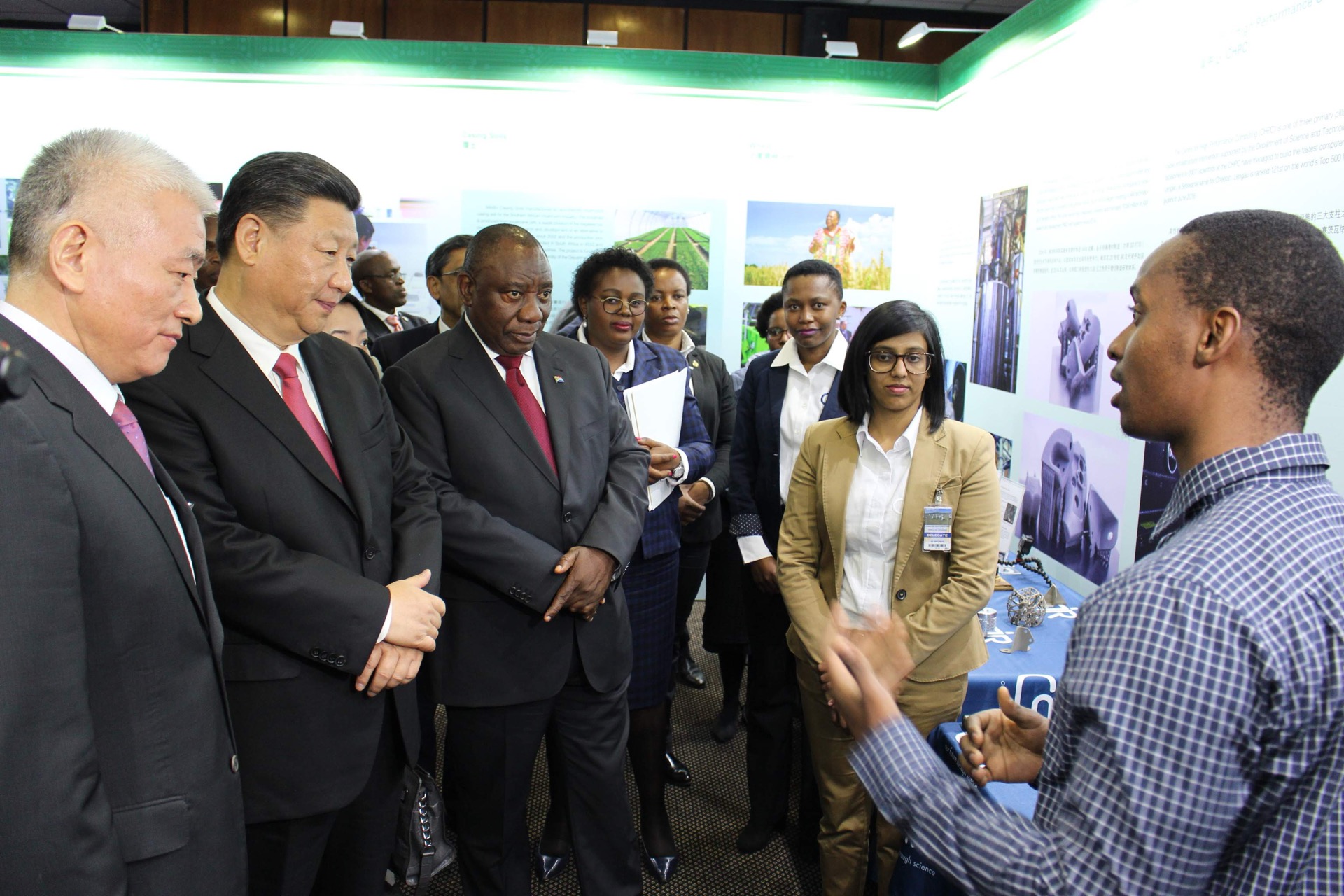
The exhibition formed part of President Xi Jinping’s State Visit to South Africa. Its purpose was to show what science, technology and cooperation could make possible. Yet the system in front of us was grounded in a very immediate reality: armed poachers moving through the darkness of Kruger National Park, and ranger teams having to respond with limited information.
Postcode Meerkat was built for that gap. Developed by the Council for Scientific and Industrial Research (CSIR) with SANParks and Peace Parks Foundation, it combined wide-area radar, long-range electro-optic sensing and an operational picture that could help response teams act earlier and with greater clarity.
The exchange
Speaking across altitude
The work was to make the system legible without making it small.
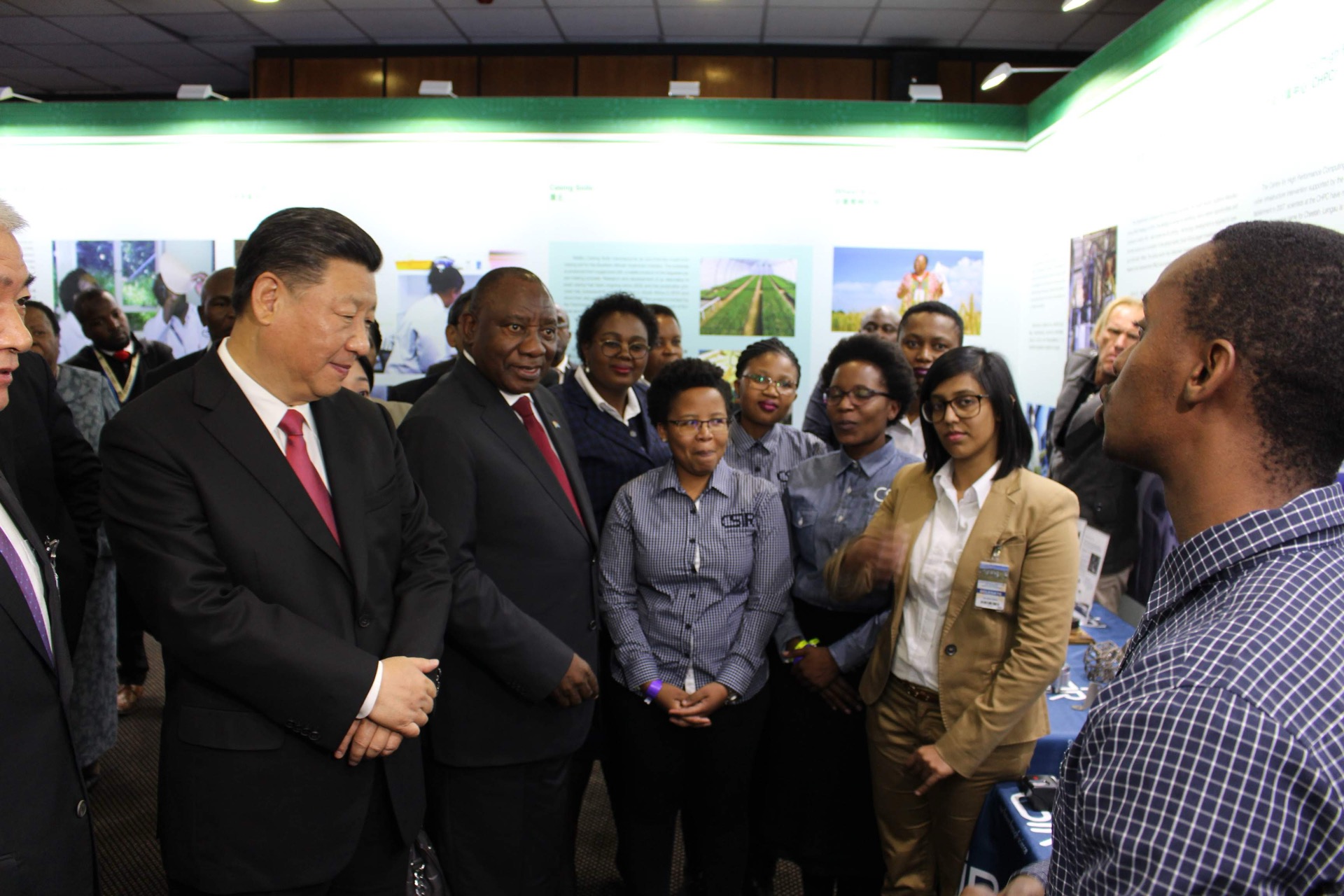
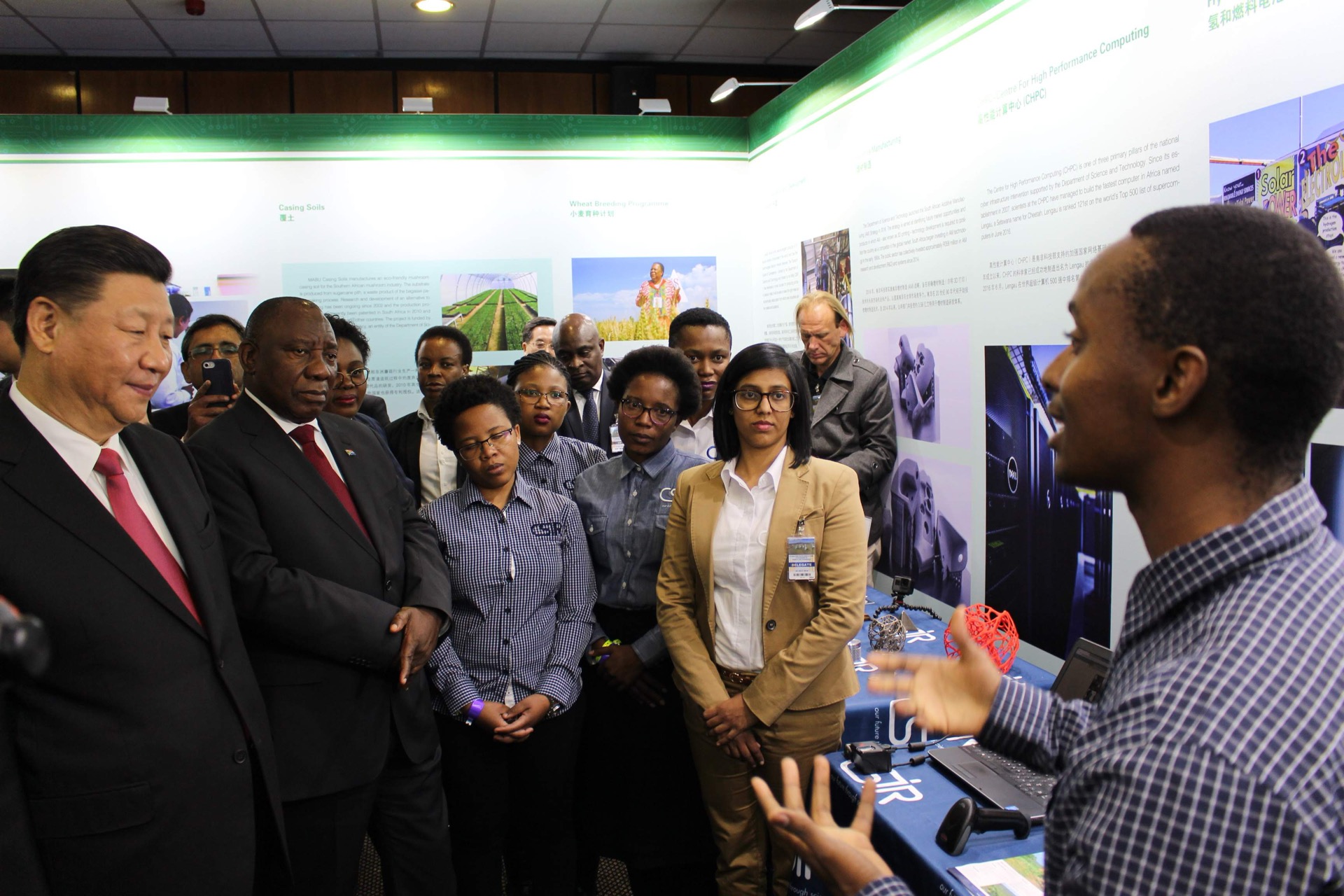
When Presidents Xi and Ramaphosa reached the CSIR display, my task was to explain a complete operational chain in a few clear movements: radar detects activity across a large area; electro-optic sensing helps classify what has been detected; information is brought into a shared picture; and rangers receive the warning and position information needed to prepare a response.
At that level, every technical sentence carries an implicit question: what becomes possible for people? Here, the answer was time—more time for rangers to understand the terrain, prepare for a dangerous encounter and protect both human life and a threatened species.
“The true test of a complex system is whether its consequence can be understood clearly.”
The system in plain language
From distant signal to safer decision.
Postcode Meerkat joined sensing, software and field operations into one continuous response loop.
- 01
Detect
Radar watches a wide area for moving, human-sized targets.
- 02
Classify
Long-range electro-optic sensing helps distinguish people from animals.
- 03
Understand
A shared operating picture turns observations into actionable intelligence.
- 04
Respond
Rangers receive earlier warning and a clearer route to a safer interception.
System reference · 17 March 2017
Hiding in the dark: Saving lives in Kruger National Park
See the system in its operational setting. Technology credit: CSIR. Field partnership: SANParks and Peace Parks Foundation.
What stayed with me
Engineering earns trust through clarity.
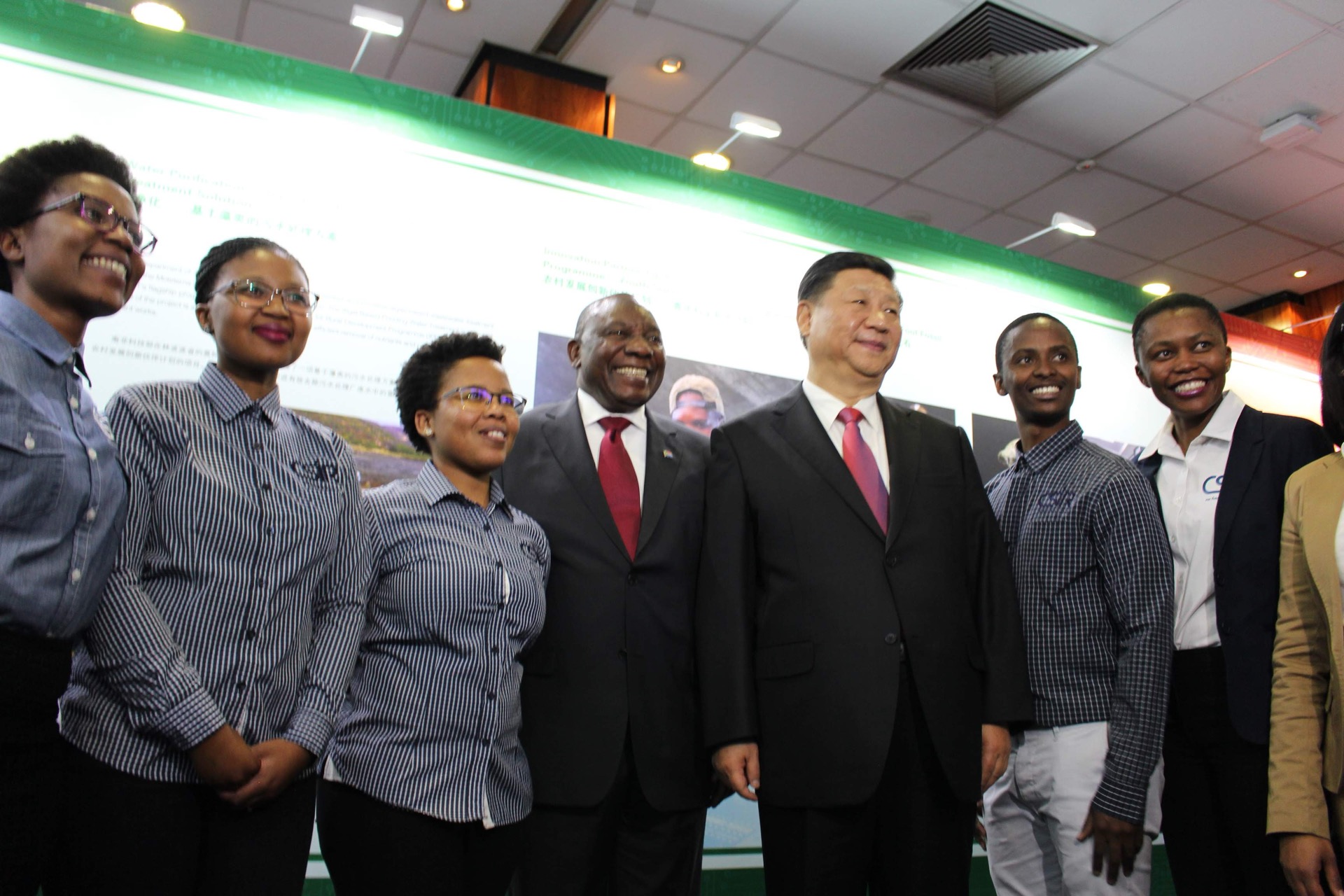
The encounter became a marker in my career—not because of proximity to office, but because it compressed years of systems work into one responsibility: explain what has been built, why it matters and whom it serves.
The lesson continues into every platform and institution I build today. Complexity is not a licence to obscure. The deeper the system, the greater the duty to make its purpose visible.